Perimenopause
If you’re approaching menopause, it may feel like your body is not responding the way it used to, despite your best efforts with nutrition and exercise. You may notice a pouch in your tummy area, softer arms and feeling tired often, leaving you wondering what’s changed.
Understanding Perimenopause
More than just “hormones”
Menopause drives a metabolic shift that impacts fat distribution, muscle and bone metabolism and energy regulation. Your nutrition strategy needs to evolve, so you can learn to nourish your body effectively through this stage of life.
Common challenges
- Gaining weight, despite lots of cardio
- Thicker waistline
- Less muscle tone
- Tired and wired
- Sleep disruption
- Inflammation
- Aches and pains
- Slower recovery
Also working with...
- Metabolic health
- Build Muscle, Lose Fat
- Athletic Performance
Your dietitian for Perimenopause
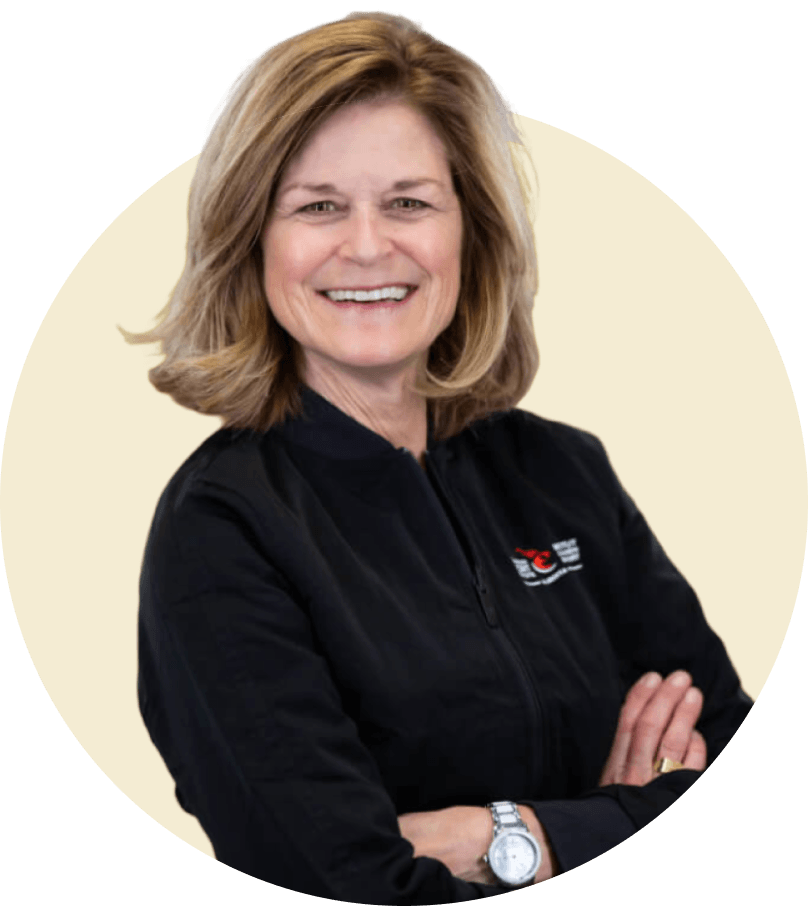
Kelly Anne Erdman RD, MSc, OLY
Kelly Anne brings something rare to nutrition practice; she’s lived the experience of elite sport at the Olympic level and built a clinical career on optimizing health. She specializes in women’s health, managing chronic condition, and eating well across every stage of life for brain health and longevity.
Also Works With:
- Elite & Recreational sport
- Body Composition
- Performance nutrition
- Active aging
Working With Perimenopause
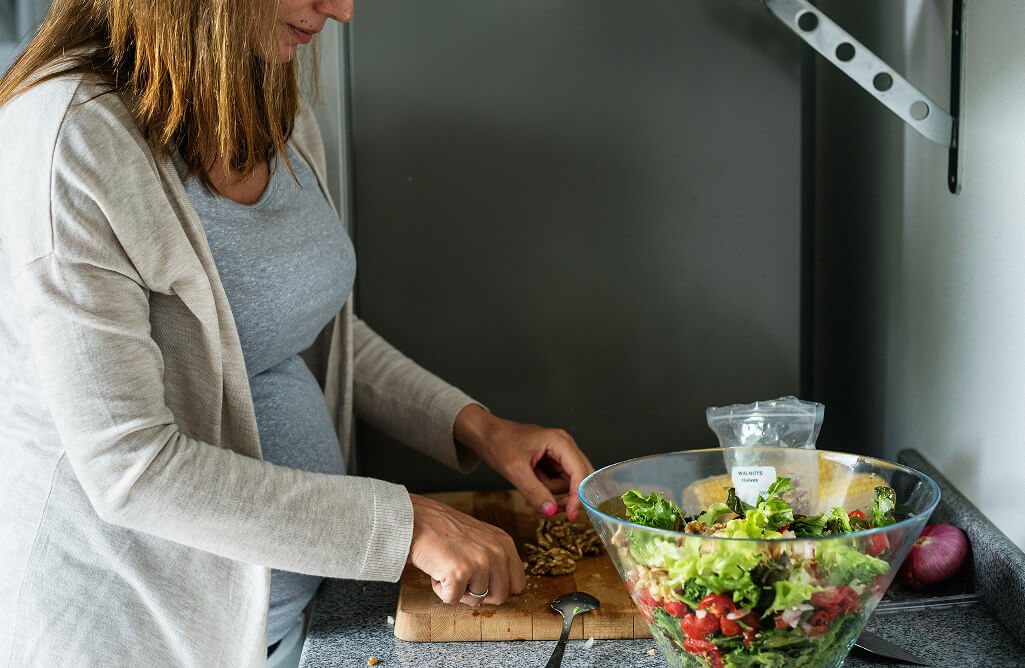
We build structured plans that work with your body to fuel your muscle, support metabolism, and feel sustainable long-term.
Before you book
What to expect
- Book your initial assessment
Book a 60minute initial assessment. Don’t worry, your dietitian won’t cut out all your favorite foods, you can keep eating as usual before your appointment. - Complete your intake and food journal
Before your first appointment, you’ll receive an intake form and a 7 day food journal. This helps your dietitian to assess your usual eating habits and to build you an individualized plan at your first visit. - Get your personalized plan in the first visit
During your initial session, your dietitian will assess your eating habits, identify gaps and provide clear, individualized guidance along with a customized plan. This initial plan may include simple adjustments to your current meals and snacks or a more structured meal plan, depending on what approach works best for you. - Follow up to tailor your diet to fit with your lifestyle
You’ll meet with your dietitian every 3–4 weeks for ongoing guidance, including new meal and snack ideas. You’ll get practical strategies to navigate weekends, dining out, and travel. Our goal is to build your confidence in your food choices—so your nutrition fits seamlessly into your lifestyle without feeling restrictive or repetitive.
Session Types + Fees
Initial Assessment
Follow-up Appointment
Starter
Includes
- No email support between sessions
- Customized meal plan
- Meal and snack ideas
- Strategies to build new eating habits
- Goal setting + written recommendations
- Restaurant + travel guidance
Initial Consultation
Follow Up
Total Sessions
Format
Direct billing
- Sun Life
- Pacific Blue Cross
- Alberta Blue Cross
- Chamber of Commerce
- CINUP
- ClaimSecure
- Desjardins
- Equitable Life
- First Canadian
- Canada Life
- Industrial Alliance
- Johnson Group
- Johnson Inc.
- Manulife Financial
- Maximum Benefit
- TELUS Adjudicare
- GroupSource
- GroupHealth
- Sunlife
- + more
FAQ
Why am I gaining weight even though my diet hasn’t changed?
As you age, your eating patterns, activity levels and hormones all shift. During perimenopause, metabolic changes also impact fat and muscle distribution and energy regulation. Your sport dietitian will create an individualized nutrition strategy that works with your body and your lifestyle, so you can stay strong, energized and achieve your fitness goals after 50.
Should I eat less to lose weight?
Probably not. In fact, many clients see better results by eating structured, balanced meals while reducing late night snacks, alcohol and restaurant meals. We adjust your macros to prioritize fibre and protein, helping you feel full longer. Under-eating can worsen energy, cravings, muscle loss and slow metabolism. We focus on composition and consistency, not restriction.
Do I need more protein now?
Yes. Protein becomes increasingly important to maintain muscle and metabolic health. Compared to younger adults, your body needs more protein to maintain its muscle mass. We recommend at least 100g protein per day or up to 1.8g protein per kg of body weight (or 0.8g protein per pound of body weight). Your sport dietitian will adjust your meals and snacks to ensure you hit your protein targets.
I feel tired all the time, is this normal?
Fatigue is common during perimenopause, but it is not something you just have to accept. We assess your nutrition, sleep patterns, and possible deficiencies contributing to your energy levels. We also collaborate with your physician to suggest any tests that could be considered.
Should I cut carbs and have healthy fats?
Not likely. Many women reduce carbohydrates at meals, but this can contribute to low energy, increased cravings, and excess snacking. We help you to fuel your body like an athlete, using balanced meals to support energy and fuel activity. This approach often reduces hunger, cravings and late-night snacking. We also identify where excess calories may be coming from, you may be surprised that carbohydrates are rarely the problem.
What about bone health?
Great question. Key factors that support bone health include hormone replacement therapy, resistance training, weight bearing exercise and eating enough for your energy needs. We will also optimize your protein, calcium, vitamin D, and overall nutrition strategy to help maintain strong, healthy bones.
I do lots of long runs and bike rides but I’m not losing weight.
Many perimenopausal women find that endurance training like long, steady-state cardio is not effective for reducing body fat. Research and experts like Dr. Stacy Sims highlight that higher-intensity exercise (such as interval training) is more effective for improving body composition in this stage of life.
Can I still change my body composition at this stage?
Yes, absolutely. Combining strategic HIIT workouts with a structured nutrition plan that supports your training and muscle mass can lead to more effective fat loss and overall body composition changes.
Ready to feel strong and in control again?
Let’s build your plan.