Here are 9 muscle growth tips every active woman should know. These tips cover everything from protein intake and strength training to recovery strategies, helping active women boost metabolism, preserve muscle mass, and improve fitness at any age.
If you’ve ever felt like your body used to respond better to workouts, you’re not imagining it. Hormonal shifts and years of busy life can make it harder to build or maintain your muscle (and this is especially the case for those dealing with perimenopause). Protein-packed recipes may dominate your news feed, but real muscle growth comes from consistent habits rooted in sports nutrition fundamentals.

Cristina Sutter, MHSc, RD
With over 20 years of experience across diverse clientele (especially focused on athletes and active individuals), I’ve seen firsthand the difference evidence-based nutrition makes in performance and health.
Whether you’re working toward your own goals or trying to model healthy habits for your kids, these 8 strategies lay the foundation for strength, recovery, and long-term well-being.
1. Strength Train Effectively
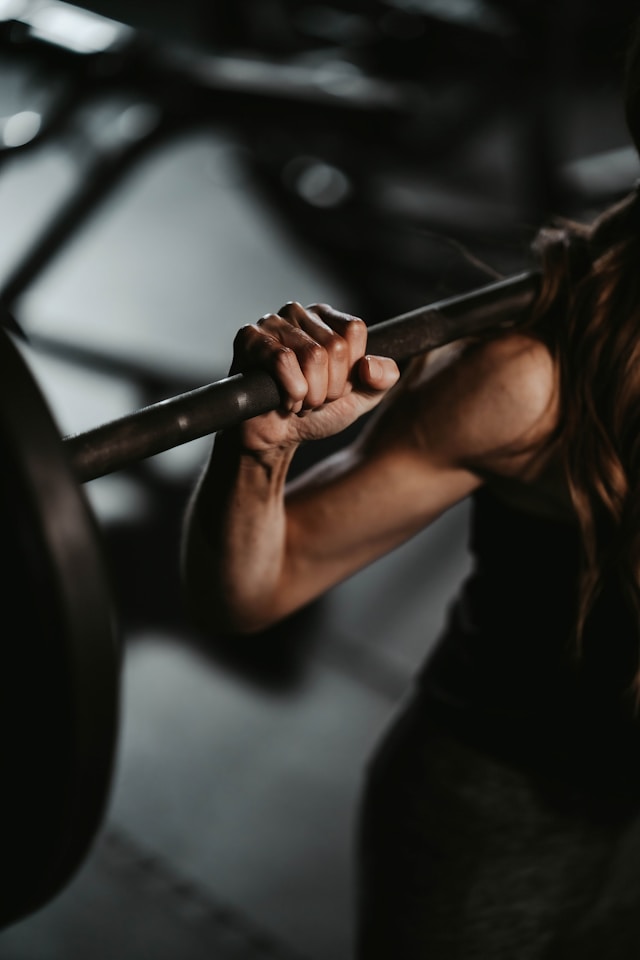
Muscle building isn’t a mystery: it comes down to strategy and consistency. To build muscle, we need to lift weights 2–3 times per week, focusing on 10–20 challenging sets per muscle group across the week.
That might sound like a lot, but it can be as simple as three full-body workouts using proper form, rest, and progressive overload.
The bonus is that strength training isn’t just about looking toned. It’s also for bone density, metabolic health, insulin sensitivity, and hormone balance, especially during perimenopause.
To build muscle, weight train 2-3 days per week and lift 10-20 sets per muscle group per week.
Related: Top Five Strategies to Fight Menopause Weight Gain
(One of the biggest reasons for weight gain in midlife? Less exercise.)
While endurance activities like running or cycling do activate your muscles, it is not an effective way to build muscle and burn fat during perimenopause. That’s why combining high intensity interval training and weight training seems to get optimal results, during this life stage when our bodies respond differently to hormones.
Avoid high-mileage endurance cardio when focusing on building muscle.
2. Eat Enough to Support Muscle
Many active women are unintentionally under-eating. We especially see this in those with busy schedules, gut issues, or a history of dieting. But it is very hard to build or even maintain your muscle if you are fasting, missing meals or not eating enough to fuel your activity.
Even if you’re eating plenty of protein, it won’t go toward muscle if you are training hungry and not eating afterwards. If you are tired, sore, or not seeing results, it’s worth checking whether you’re eating enough overall.
Skipping meals can make muscle break down.
If you’ve been thinking about intermittent fasting as a woman in perimenopause, check out this post: Is Intermittent Fasting Helpful for Women during Perimenopause?
3. Prioritize Carbs for Fuel and Recovery
Carbohydrates often get villainized, especially during the early 2000s when low-carb diets like Atkins were all the rage, but they’re your muscles’ best friend. And that’s especially true around training.
Without enough carbs, your body will burn muscle for energy. Carbs are “muscle-sparing” because they protect the muscle from breaking down when eaten before and after training.
For endurance exercise over one hour long, you need to have 40-80g carbs per hour during exercise, depending on your intensity and duration.
Have a recovery snack immediately after each hard workout to start the rebuild and muscle recovery phase. Recovery snacks should have a serving of carbs and a little protein, about 1.2g carbs per kg body weight and 15-20g protein. This could be a breakfast sandwich or yogurt parfait.

4. Prioritize Protein (But Not Just From Powder)
Aim for an optimal amount of protein intake to build muscle: a good rule of thumb is 0.8 grams of protein per pound of body weight per day, which is equal to 1.8g protein/kg body weight.
Optimal protein intake is 0.8 grams of protein per pound of body weight, which is at least 100g protein per day.
If you are in a caloric deficit to lose weight, your protein needs may increase to help preserve muscle. Aiming for up to 1g protein per pound of body weight per day, or 2.2 grams per kilogram, can be beneficial during weight loss.
During weight loss, aim for 1g of protein per pound of body weight.
5. Get Enough Sleep
We tend to gain body fat during perimenopause because hormone changes during perimenopause impact metabolism, hunger, mood and sleep. We need 7-8 hours sleep a night for muscle recovery and to optimize hunger and stress hormones. Poor sleep can hinder muscle growth even when your diet is on point. Studies show that sleep restriction can reduce the rate of muscle protein synthesis by about 25%.
The good news? Regular weight training seems to rescue this effect, helping to maintain muscle health even when you can’t get a full night’s sleep.
Maximize muscle recovery and building by getting enough sleep every night.

6. Distribute Protein Throughout the Day
While hitting your total daily protein target (at least 100g protein a day) is most important, including 30g protein at each meal is an easy way to ensure that your muscles always have the building blocks they need.
While research is mixed on whether an even distribution of protein is superior to an end-loaded day, many find it easier to meet their protein goals by including a source of protein with each meal. Making sure to start and end the day with protein:
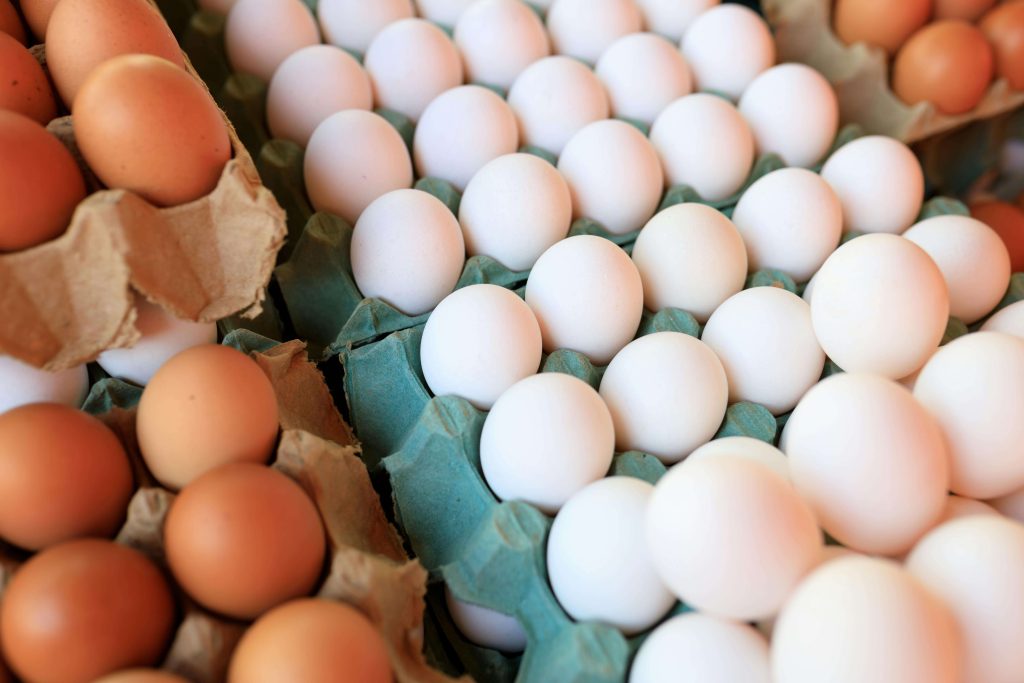
- Breakfast is often a low-protein meal. Swapping cereal for eggs is a simple way to increase your daily protein intake and improve your body’s net protein balance. Protein at breakfast gives you steady energy and prevents sugar crashes or cravings later in the day.
- Consuming 30grams of protein at your snack can help maintain amino acid levels in your blood, optimizing muscle repair and growth.

Related: How Much Protein You Need During Menopause
8. Use Supplements Strategically
Supplements can be helpful when life gets busy, but they’re not magic. They should support your nutrition, not replace it.
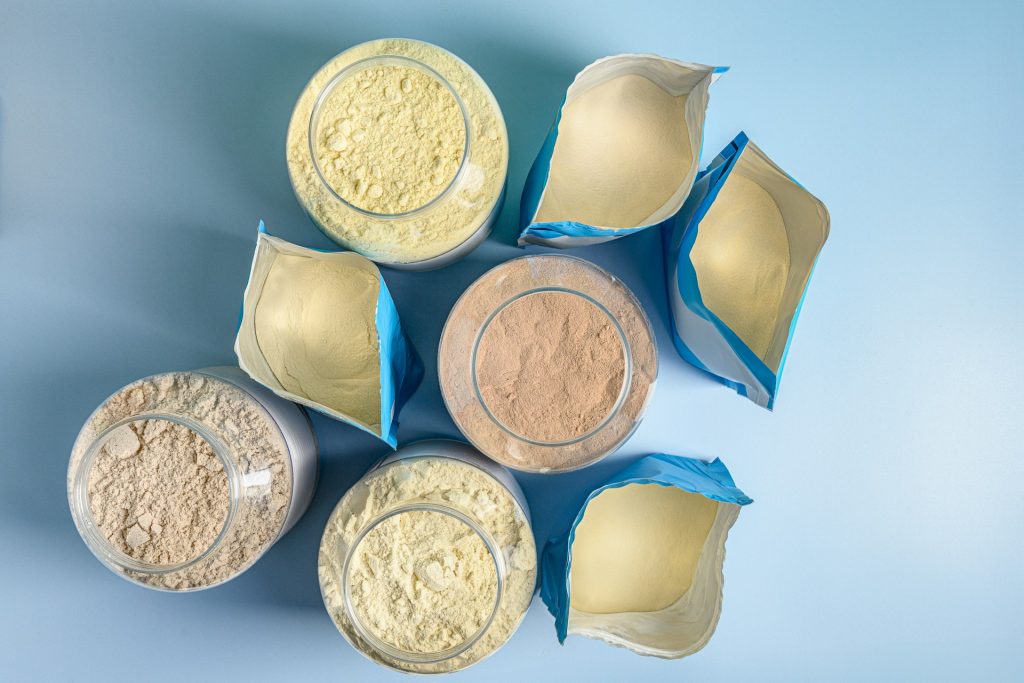
If you use protein powder, be mindful to avoid those known to contain elevated levels of heavy metals. I’ve discussed this in detail in another blog post:
Should You Be Worried About Lead in Protein Powders?
What’s the difference between Protein Powders and Essential Amino Acids (EAAs)?
- Protein Powders are a convenient way to add protein to a breakfast or snack on the go. Many of them are complete proteins, meaning they contain all nine essential amino acids.
- Essential Amino Acid (EAA) Supplements: These are useful when you need high protein quality without a lot of calories or volume, such as for:
- Perimenopausal vegetarian women to build muscle while they try to lose weight
- Post-surgery or during injury to prevent muscle loss
- Seniors with a low appetite to prevent muscle loss
9. Limit Alcohol
Drinking even a moderate amount of alcohol disrupts sleep, hormone balance, and hydration, all of which play a role in your ability to recover and build muscle.
The sooner we build these habits, the longer they serve us.
Whether you’re navigating perimenopause, managing gut health issues, or training hard to feel your best: nutrition makes a difference.
My team and I specialize in personalized support for women in midlife, active individuals, and those with digestive concerns. If you’re looking for expert guidance to fuel your body and build lean muscle in a sustainable way, book a session with our team of experienced dietitians today: