Obesity
If you’ve tried dieting before, you already know it’s often easier to lose weight than to keep it off. Most diets are too restrictive and disconnected from real life. We take a lifestyle-based approach that fits with your routine, including birthdays, busy days, and movie nights, so your results last.
Understanding Obesity
More than just “eat less, move more”
Obesity is a chronic, multifactorial condition—not a failure of willpower. Sustainable weight loss requires a structured plan built around your lifestyle, biology, habits and environment.
Common challenges
- Weight regain
- Diet cycling
- Low energy
- Emotional eating
- Cravings
- Hunger
- Constant food noise
- Frustration with conflicting nutrition advice
- Social situations derailing diet
- Feeling restricted
- Confusion about what to eat
- Feeling out of control around food
- Shame
Also working with...
- Metabolic Health
- Menopause
- Body composition
Your dietitian for Obesity
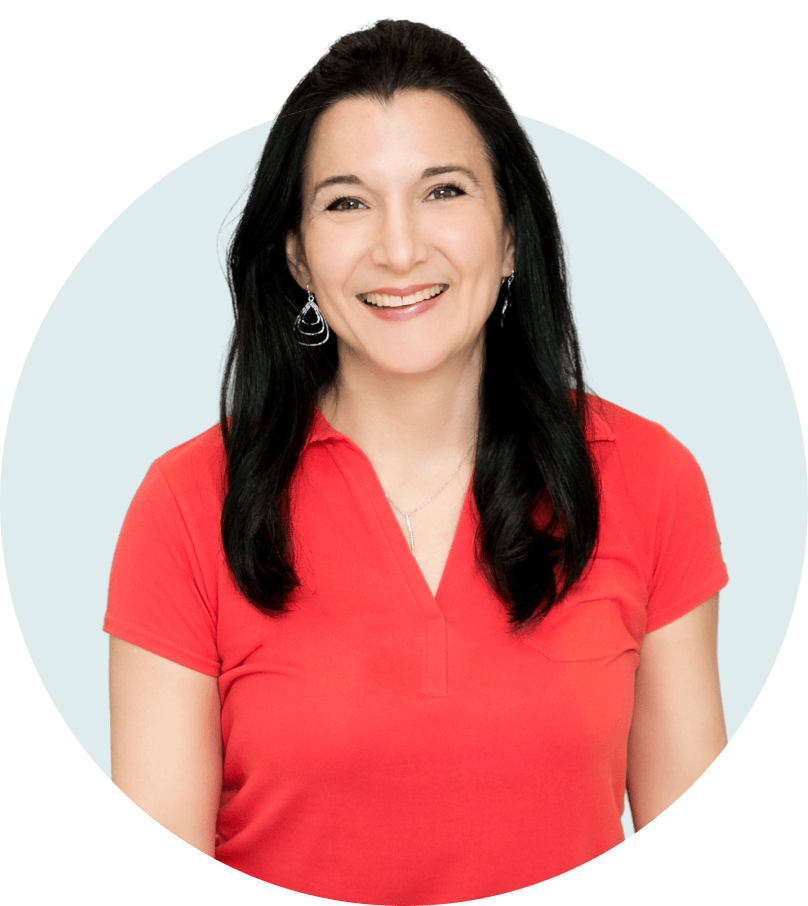
Cristina Sutter MHSc., RD
Cristina Sutter has a Master’s in public health nutrition and worked as a Chronic Disease Coordinator at MidMain Health Centre and as the Outpatient Dietitian for North Shore Chronic Disease Services at VCH. She is a certified Craving Change CBT Behaviour Change instructor and is a founding design collaborator for the new Myndset app designed to help people living with obesity to understand and overcome food cravings.
Also Works With:
- Sport nutrition
- Gut health
- Menopause
- Chronic disease
- Weight loss
Working With Obesity
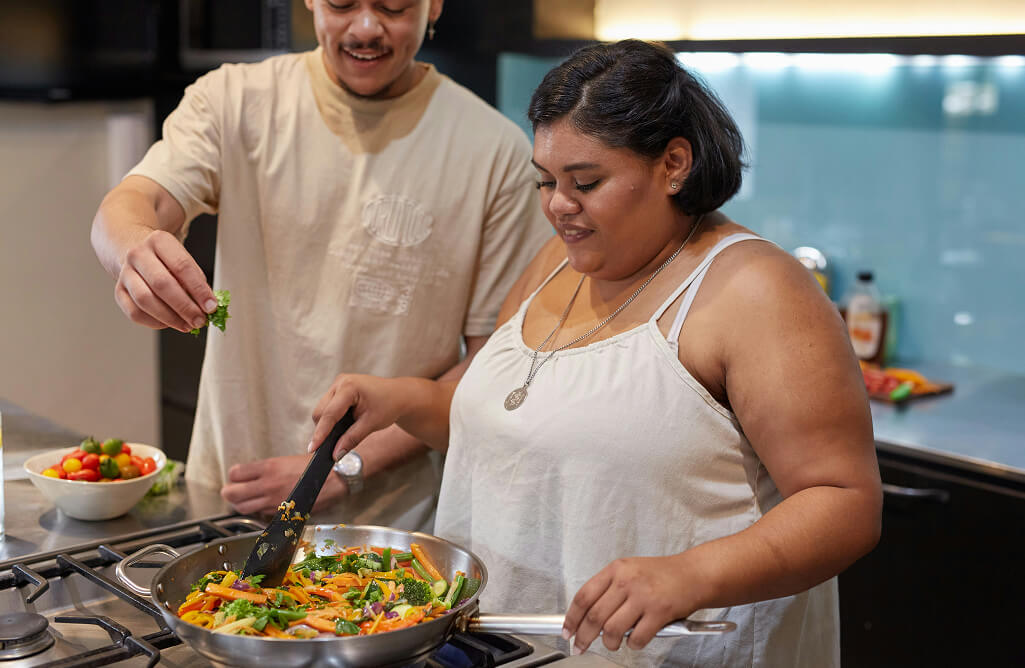
We don’t use a diet approach, instead we help you establish structured meals to nourish your body and reduce cravings and hunger, the key drivers of overeating and binge eating. We take a stepwise approach to extend your structured meals in new and challenging situations, so that you can learn to navigate all of life’s real events.
Before you book
What to expect
- Book your initial assessment
Book a 60minute initial assessment. Don’t worry, your dietitian won’t cut out all your favorite foods, you can keep eating as usual before your appointment. - Complete your intake and food journal
Before your first appointment, you’ll receive an intake form and a 7 day food journal. This helps your dietitian to assess your usual eating habits and identify the underlying drivers of how you experience food, hunger and cravings. - Get your personalized plan in the first visit
During your initial session, your dietitian will assess your eating habits, identify gaps and provide clear, individualized guidance along with a customized plan. This initial plan may include simple adjustments to your current meals and snacks or a more structured meal plan, depending on what approach works best for you. - Follow up to tailor your diet to your lifestyle
You’ll meet with your dietitian every 3–4 weeks for ongoing guidance as you build new habits. You’ll get practical strategies and an eating plan for every occasion, so you stay on track. Our goal is to build your confidence in your food choices, so you navigate birthdays, illness, work events, weekends, dining out and travel without feeling restricted.
Session Types + Fees
Initial Assessment
Follow-up Appointment
Starter
Includes
- No email support between sessions
- Customized meal plan
- Meal and snack ideas
- Strategies to build new eating habits
- Goal setting + written recommendations
- Restaurant + travel guidance
Initial Consultation
Follow Up
Total Sessions
Format
Direct billing
- Sun Life
- Pacific Blue Cross
- Alberta Blue Cross
- Chamber of Commerce
- CINUP
- ClaimSecure
- Desjardins
- Equitable Life
- First Canadian
- Canada Life
- Industrial Alliance
- Johnson Group
- Johnson Inc.
- Manulife Financial
- Maximum Benefit
- TELUS Adjudicare
- GroupSource
- GroupHealth
- Sunlife
- + more
FAQ
I am not an athlete at all. Why should I work with a sport dietitian?
Sport dietitians are experts in using meal timing, macronutrients, fibre, and movement to improve body composition, hunger, fuel and overall health. In addition to performance nutrition, we have training and experience working in healthcare, including obesity and chronic disease management.
You don’t need to be an athlete or even be active to benefit. We meet you where you’re at and use proven strategies to help you feel better, build sustainable habits, and achieve lasting results.
I am taking GLP1s, how can a sport dietitian help?
We make sure the weight you lose is fat, rather than muscle and that you are building eating habits that support results that last. A dietitian helps you build a structured nutrition plan to optimize your energy, prevent nutrient deficiencies and manage side effects. This includes prioritizing protein and fibre and practicing mindful eating, so you can maintain your progress without regaining weight.
I have fatty liver, my doctor says I need to change my diet.
Non-alcoholic fatty liver disease (NAFLD) is a common condition and in most cases, it can be improved or even reversed with the right nutrition strategy. The key is identifying and adjusting the underlying eating patterns contributing to it. Your dietitian will help you make sustainable changes to your meals and snacks to support liver health, improve body composition, and achieve lasting weight management.
I have tried diets before and they didn’t stick. How is this different?
Part of our intake process is to review your diet history, what worked and what went wrong. We can learn from our past mistakes to ensure that we set achievable and sustainable meaningful dietary changes and build in support and accountability. Most plans rely on restriction and willpower. We use a structured, evidence-based approach that addresses behavior, physiology, environment and sustainability.
I’m afraid I’ll have to give up my social life to lose weight.
You won’t. You will get a customized plan designed to fit your real life including restaurants, events, and travel. We teach you how to navigate these situations without undoing progress.
My partner is a foodie and we eat out often, can this still work?
Yes, there will always be room for a date night. We will give you strategies specifically for dining out so you can enjoy meals without feeling restricted or losing control. We also help you plan delicious recipes to enjoy cooking together at home.
Will I have to weigh my food and track calories?
No, we don’t typically recommend calorie tracking. For many people, especially those with a history of dieting, tracking can feel restrictive and increase food-related stress or “food noise.” If tracking feels helpful, we offer a simple photo-based journaling app. This allows you to build structured eating habits throughout the day, without the pressure of weighing or counting everything.
Will I have to cut out foods I enjoy?
No. Highly restrictive approaches often backfire. Instead, we build a flexible framework that includes the foods you enjoy so your plan feels realistic, satisfying, and sustainable. For your favorites that are very challenging to portion control, we set you up for success by planning a structured way to introduce these foods in a measured way.
Why do I keep regaining weight?
Diets make it easy to lose weight but also really easy to gain it all back because they aren’t designed to last. We focus on building consistent habits and structure, so your results are sustainable, not temporary.
Will my metabolism slow down?
Your metabolism is affected by your age, activity, muscle mass, gender and yes – the number of restrictive diets you have been on. Sport dietitians are uniquely trained to design nutrition strategies that protect muscle mass and minimize metabolic slowdown, so your body continues to respond effectively.
How fast will I lose weight?
We prioritize steady, sustainable fat loss over rapid, short-term results that don’t last. In some cases, we first focus on improving foundational habits before expecting any weight loss. Your dietitian will set realistic expectations based on your individual goals, health, and lifestyle.
Ready to stop dieting and start seeing real, lasting change?
Let’s build your plan.